
Farm to Fork: A Professional Story of Food, Trust, and Sustainability
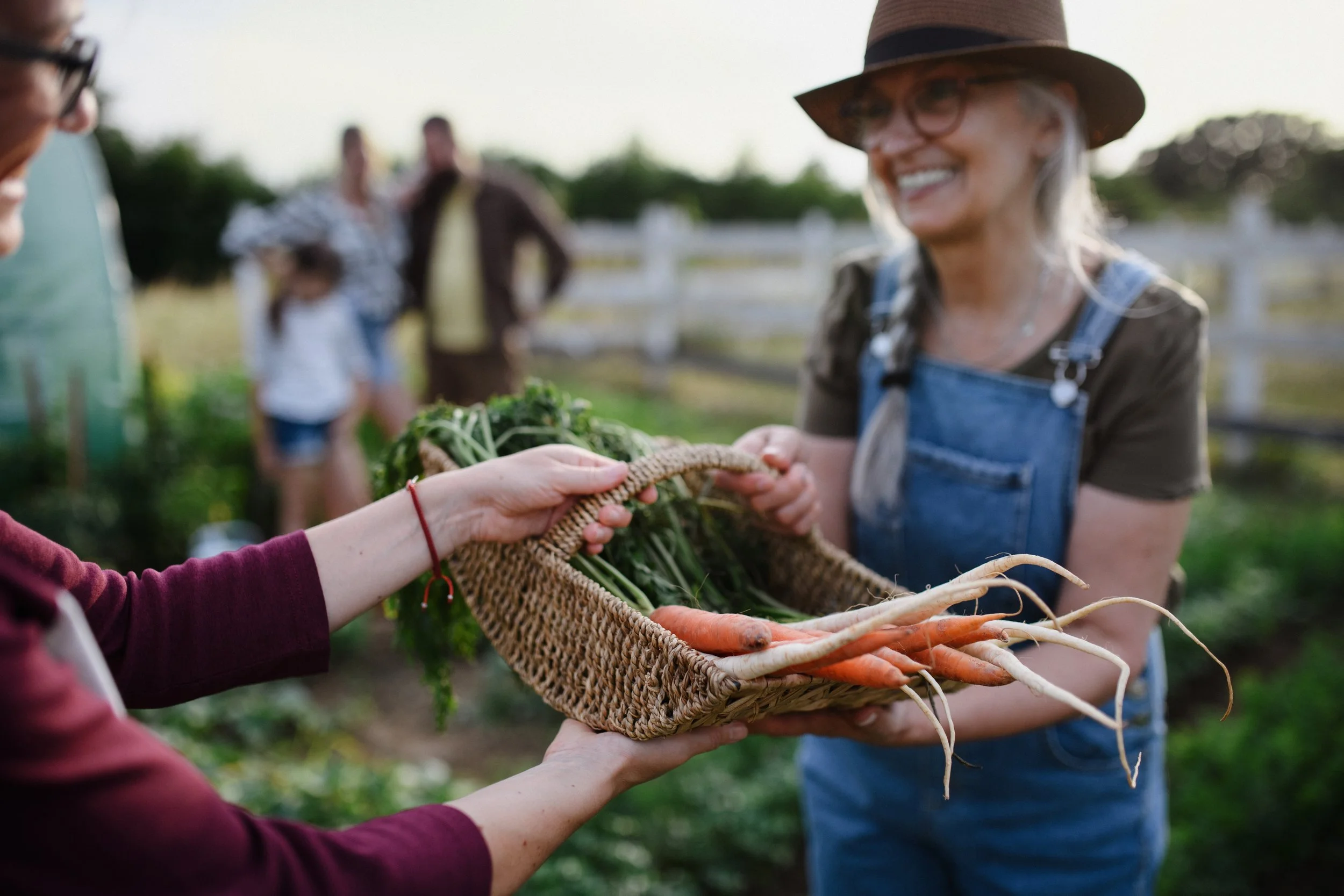
Farm to fork is more than a phrase about where food comes from. It is the story of a journey—from soil, seed, and stewardship to the moment a meal is served—and it reflects a growing commitment to quality, transparency, sustainability, and trust across the entire food system.
The Journey Begins at the Source
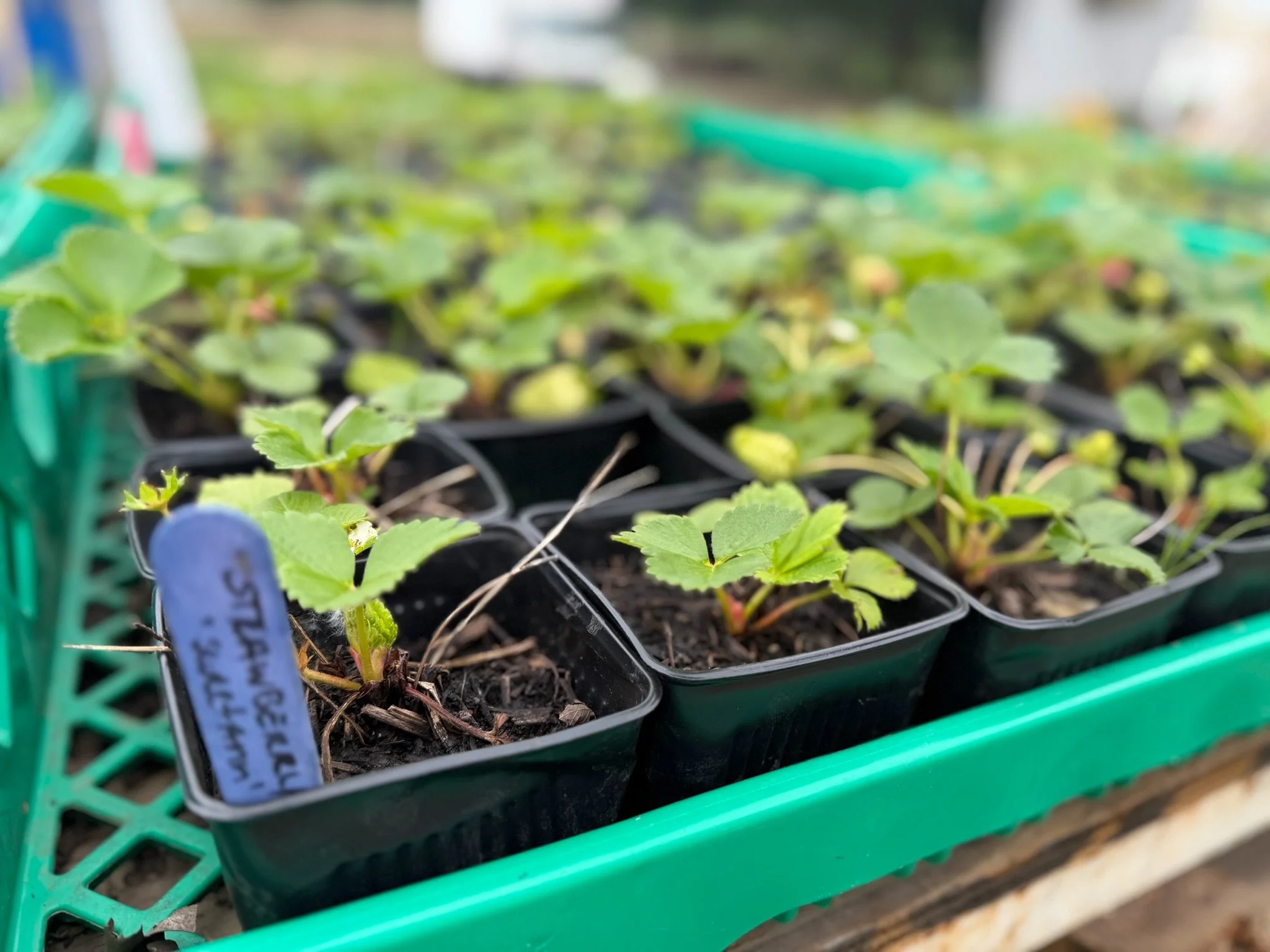
Every food story begins with a producer: a farmer planting crops, a rancher raising livestock, or a grower carefully tending the land. The choices made at this first stage—how food is cultivated, harvested, handled, and protected—shape everything that follows. These decisions influence not only flavor and freshness, but also food safety, environmental impact, and consumer confidence.
From the farm, food moves through a connected chain of processing, packaging, transportation, selling, cooking, and finally consumption. At each step, people, systems, and standards work together to preserve quality and ensure that food reaches the table safely and responsibly.
The Principles Behind Farm to Fork
At its heart, the farm-to-fork approach is built on four professional principles. The first is locality: sourcing food closer to where it is consumed to reduce transportation impacts and support regional economies. The second is sustainability: using practices that protect natural resources, reduce waste, and preserve biodiversity. The third is transparency: giving consumers clear information about where food comes from and how it was produced. The fourth is community engagement: strengthening relationships among producers, businesses, and consumers.
A Broader Policy Vision
The concept has also become central to modern food policy. In the European Union, the Farm to Fork Strategy forms part of the European Green Deal and sets measurable goals for building a healthier and more sustainable food system by 2030. Its objectives include reducing pesticide use and risk, expanding organic farming, encouraging healthier food consumption, and cutting food waste.
This policy perspective shows how food systems connect environmental health, public health, and economic fairness. For example, reducing pesticide use can help protect farmworkers, improve ecosystem resilience, and support biodiversity, while also responding to consumer expectations for safer and more responsibly produced food.
Why It Matters
For consumers, farm to fork builds confidence. It offers greater traceability and helps people understand the origins of what they eat. For producers and local businesses, it can create stronger markets and keep more economic value within communities. For the environment, it encourages lower-impact production, shorter supply chains, reduced waste, and healthier ecosystems.
The result is a food system that is not only more efficient, but also more accountable. Freshness, flavor, safety, and sustainability become part of the same conversation, helping people make choices that reflect both personal values and broader social responsibility.
Farm to Fork in Practice
In everyday life, farm to fork appears in restaurants that source directly from local farms, farmers’ markets, community-supported agriculture programs, regional grocery partnerships, policy frameworks, and meal services built around fresh local ingredients. Each example reflects the same idea: food has a story, and that story becomes stronger when the distance between producer and consumer becomes clearer.
Ultimately, farm to fork represents a professional model and a cultural shift. It asks everyone in the food system, from producers and policymakers to businesses and consumers—to recognize that every choice along the journey matters. When food is grown responsibly, handled transparently, and shared with purpose, the journey from farm to fork becomes a story of trust, sustainability, and community.